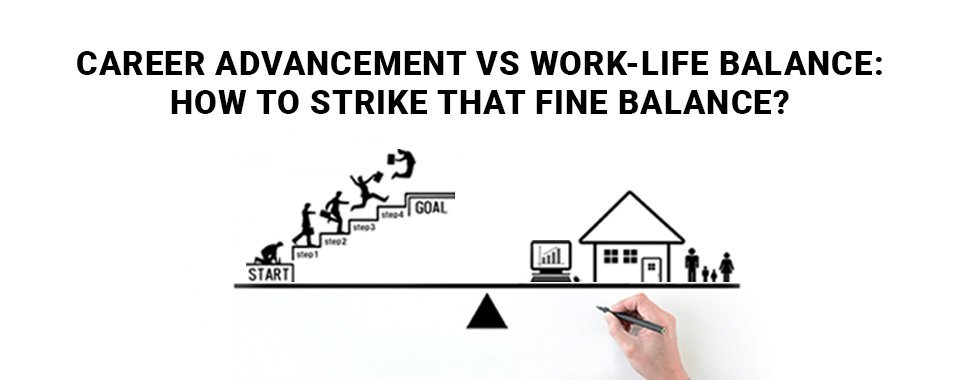
You know the feeling. That nagging sense that to get ahead in your career, you have to sacrifice your personal life. Or, conversely, that embracing a robust personal life means hitting the brakes on professional growth. It’s the perennial tug-of-war between Career Advancement & Work-Life Balance, a challenge that defines modern professional life. Many feel caught in the middle, wondering if achieving one inevitably means compromising the other. The truth is, it's not about choosing sides, but mastering a sophisticated, ever-evolving dance.
This isn't just about personal angst; it's a systemic issue. Organizations worldwide are grappling with how to foster an environment where employees can thrive professionally without burning out. The stakes are high: employee well-being, retention, productivity, and ultimately, a company's bottom line.
At a Glance: Mastering the Delicate Act
- The Tug-of-War is Real: Prioritizing career advancement often demands more time and energy, potentially straining personal life. Prioritizing work-life balance might seem to limit career opportunities.
- It's a Two-Way Street: A healthy work-life balance can improve performance and growth, while smart career advancement can enhance long-term stability and reduce stress.
- You're Not Alone: A significant percentage of people quit their jobs due to lack of career development and work-life imbalance. This isn't just a personal failing, but an organizational challenge.
- Employees Must Act: Set realistic goals, communicate needs, establish boundaries, and build support networks. Proactivity is key.
- Organizations Must Adapt: Foster supportive cultures, offer genuine flexibility, provide diverse career paths, and empower managers with "actionable empathy."
- Redefine Success: It’s not just about titles and salaries. True success integrates professional achievement with personal well-being and fulfillment.
The Inherent Tension: Why It Feels Like a Tightrope Walk
At its core, work-life balance (WLB) is about harmonizing your professional responsibilities with your personal and family life. It’s about creating enough space for hobbies, relationships, health, and rest, thereby reducing stress and boosting overall well-being. On the other side of the seesaw is career advancement (CA), typically defined by progression through levels of responsibility, often marked by promotions, increased status, and greater influence.
For years, the conventional wisdom suggested a zero-sum game: more of one meant less of the other. Pushing for that next promotion often meant longer hours, more travel, and sacrificing evenings and weekends. Conversely, taking a step back to focus on family or personal pursuits was often perceived as a sign of less ambition, potentially derailing one's career trajectory.
This perception isn't entirely unfounded. Historically, the pursuit of CA frequently demanded significant time and energy, which inevitably strained WLB. The result? Increased stress, diminished personal relationships, and a feeling of constant depletion. However, the allure of CA—financial stability, job security, and the satisfaction of achievement—is powerful and enduring.
The Cost of Imbalance: Why People Are Walking Away
The tension between CA and WLB isn't just a theoretical concept; it has very real, measurable impacts on the workforce. A revealing Work Institute analysis from 2023, based on over 21,000 exit interviews across 175 companies, paints a stark picture:
- 27% of U.S. workers quit their jobs, costing employers nearly $1 trillion.
- The national quit rate has increased a staggering 37% since 2014.
The top three reasons employees cited for leaving weren't trivial complaints; they struck at the heart of the CA vs. WLB dilemma:
- Lack of career opportunities or development. (This has been the #1 reason since 2010!)
- Health and family issues.
- Work/life imbalance.
This data underscores a critical point: employees aren't just seeking a paycheck; they're looking for growth, support for their personal lives, and a sustainable way to integrate both. Ignoring this complex interplay is no longer an option for individuals or organizations.
Beyond the Myth: Redefining Work-Life Balance and Career Success
The idea that you must choose between career advancement and a fulfilling personal life is a persistent myth. It's often fueled by a bygone era's definition of "work" and "success." Today, especially for generations like The 1983 generation and younger, there's a strong demand for integration, not just balance.
Work-life balance isn't a static achievement, like reaching equilibrium on a scale and staying there forever. It's a dynamic, ongoing process—a set of choices and adjustments you make regularly. Think of it more like juggling, where some balls are in the air, some are in your hands, and you're constantly re-prioritizing which one needs attention next.
Similarly, career advancement isn't solely about climbing the corporate ladder to a C-suite role. It can involve:
- Horizontal moves: Gaining new skills or experiences in a different department.
- Developmental roles: Taking on projects that challenge you and expand your expertise.
- Individual contributor roles: Becoming a deeply valued expert in your field without managing others.
- Entrepreneurship: Building your own venture, which offers a different kind of autonomy and challenge.
Redefining these terms is the first step toward finding your own "delicate act." It liberates you from prescriptive paths and empowers you to design a life that truly aligns with your values.
Forging Your Path: Employee Strategies for Sustainable Growth
Taking control of your career and life isn't about waiting for your employer to fix everything; it starts with proactive personal strategies. Here’s how you can navigate the complex terrain.
1. Set Realistic, Dynamic Career Goals
Blind ambition often leads to burnout. Instead, reflect on what career advancement truly means to you. Is it a specific title, a certain income, the ability to work on particular projects, or simply more influence?
- Define your "why": Why do you want to advance? What does success look like for you, beyond societal expectations?
- Map out pathways: Don't just consider the direct upward climb. Research lateral moves, special projects, or skill-building opportunities that add value to your profile without necessarily demanding 80-hour weeks.
- Be flexible: Your goals today might shift tomorrow. Life happens. Build in checkpoints to reassess your priorities and adjust your course as needed.
2. Communicate Your Needs Openly and Proactively
Many employees fear that asking for flexibility or setting boundaries will be perceived negatively. However, silence often leads to misunderstanding and resentment.
- Prepare your pitch: Before approaching your manager, clearly articulate what you need (e.g., specific flexible hours, remote work days, adjusted workload for a period) and how it benefits both you and the company. Focus on solutions, not just problems.
- Highlight impact: Explain how a better WLB will enable you to be more focused, productive, and engaged when you are working, potentially preventing burnout and improving performance.
- Schedule dedicated conversations: Don't spring it on your manager in a hallway. Request a meeting to discuss your career development and work-life integration.
3. Establish and Guard Your Boundaries
Boundaries are non-negotiable for WLB. They define where work ends and personal life begins.
- Define your "off-limits" times: Decide when you won't check emails, take calls, or do work-related tasks. Communicate these to your team and stick to them.
- Create physical and digital separation: If working remotely, have a dedicated workspace and "shut it down" at the end of the day. Log off communication apps.
- Learn to say "no": Politely decline tasks or meetings that fall outside your priorities or capacity. If you're swamped, offer alternatives or ask for help prioritizing.
4. Master Time Management and Productivity Tools
Effective time management isn't about doing more; it's about doing what matters most, more efficiently.
- Prioritize ruthlessly: Use frameworks like the Eisenhower Matrix (urgent/important) to focus on high-impact tasks.
- Batch similar tasks: Group emails, calls, or administrative work to minimize context switching.
- Block out "focus time": Dedicate uninterrupted periods for deep work, free from distractions.
- Automate and delegate: Leverage technology where possible, and delegate tasks when appropriate.
5. Cultivate a Strong Support Network
You don't have to navigate this journey alone. Your network can provide advice, emotional support, and opportunities.
- Mentors and sponsors: Seek out experienced professionals who can offer guidance on career paths and work-life integration.
- Peers and colleagues: Share challenges and successes with trusted colleagues. They often face similar issues and can provide empathy and practical tips.
- Personal support system: Ensure your family and friends understand your goals and boundaries. Their support is crucial for your overall well-being.
- Professional communities: Engage with groups outside your immediate company to broaden your perspective and access diverse insights.
The Organizational Imperative: Cultivating a Supportive Ecosystem
Employees can't do it alone. For the delicate act of balancing career advancement and work-life to truly succeed, organizations must play a pivotal role. The data from the Work Institute is a loud call to action: to reduce the staggering cost of turnover, employers must adapt.
1. Foster a Culture That Values Work-Life Integration
It's not enough to offer policies; the culture must genuinely support them.
- Leadership modeling: When leaders openly discuss their own work-life integration strategies, it normalizes the conversation and grants permission for others to do the same. If the CEO emails at 2 AM, it subtly tells everyone else that's the expectation.
- Open communication: Create safe spaces for employees to discuss their needs without fear of judgment or repercussions. Regular check-ins beyond performance reviews can help.
- Focus on results, not hours: Shift the emphasis from "time in office" to measurable outcomes. This promotes autonomy and trust.
2. Offer Genuine Flexible Work Arrangements
Flexibility is no longer a perk; it's an expectation.
- Remote work options: Allowing employees to work from home (fully or hybrid) can significantly reduce commute stress and provide more flexibility for personal appointments.
- Flexible hours: Empowering employees to adjust their start and end times to better suit their personal lives (e.g., dropping kids off at school, attending appointments) without sacrificing productivity.
- Compressed workweeks: Offering the option to work full-time hours in fewer days (e.g., four 10-hour days).
- Paid parental leave and family support: Comprehensive leave policies demonstrate an investment in employees' lives outside work, leading to greater loyalty and retention.
3. Provide Diverse Career Development Opportunities
As highlighted by the Work Institute, "lack of career opportunities or development" is the top reason for quitting. Organizations must move beyond the linear promotion model.
- Horizontal and developmental pathways: Create opportunities for employees to grow expertise in new areas, take on challenging projects, or temporarily move to different teams to broaden their skills.
- Individual contributor tracks: Recognize and reward deep subject matter expertise, ensuring that not everyone feels pressured to become a manager to advance.
- Training and mentorship: Invest in skill development, offer coaching, and facilitate mentorship programs that guide employees through their career journey, including discussions about WLB.
- Career planning resources: Provide tools and conversations that help employees map out diverse paths within the organization, aligning personal growth with company needs.
4. Empower Managers with "Actionable Empathy"
Managers are on the front lines, and their ability to address individual employee needs is paramount.
- Resources and training: Equip managers with the tools and knowledge to implement flexible policies, discuss career development, and support WLB.
- Autonomy over tasks: Grant managers the discretion to allow employees autonomy over how and when they complete tasks, fostering trust and ownership.
- Respect boundaries: Train managers to actively respect employee boundaries, modeling appropriate behavior and ensuring that after-hours requests are truly for emergencies only.
- Personalization: As Work Institute suggests, address the expectation of personalization. Managers should be empowered to understand and respond to the unique needs of each team member, recognizing that a one-size-fits-all approach to WLB or CA won't work.
5. HR's Pivotal Role
HR isn't just about policies; it's about shaping the entire employee experience.
- Lead on flexible policies: HR must champion, develop, and clearly communicate policies that support WLB and diverse career paths.
- Simplify time-off procedures: Make it easy for employees to take the time they need without excessive bureaucracy.
- Cultivate a culture of acknowledgement: Foster an environment that genuinely acknowledges and respects employees' lives outside work, understanding that personal well-being directly impacts professional output.
- Reimbursement for "hobby skills": Consider innovative approaches like reimbursing employees for courses or activities that boost their well-being and personal growth. This signals a company's investment in the whole person.
Common Pitfalls and How to Steer Clear
Even with the best intentions, the journey to integrated career advancement and work-life balance can hit roadblocks. Knowing these common pitfalls can help you avoid them.
Pitfall 1: Believing WLB Means Less Ambition
The Misconception: That asking for flexibility or setting boundaries means you're not dedicated, not a team player, or not serious about your career.
The Reality: Smart WLB enhances your longevity, focus, and creativity. It means sustainable ambition, not a lack thereof. Burning out often leads to zero ambition.
How to Avoid: Frame your WLB needs as a strategy for better performance and long-term commitment. Show how you'll achieve your goals efficiently, even with flexible arrangements.
Pitfall 2: Poor Communication with Management
The Misconception: Your manager should just "get it" or notice you're struggling.
The Reality: Managers are busy; they can't read minds. Unspoken needs often go unaddressed, leading to frustration for everyone.
How to Avoid: Be proactive, clear, and solution-oriented in your communication. Schedule dedicated meetings. Document agreements. Follow up respectfully.
Pitfall 3: Sacrificing Health for a Promotion
The Misconception: You must push your body and mind to the absolute limit to get ahead.
The Reality: Chronic stress, sleep deprivation, and poor health habits lead to impaired judgment, reduced productivity, and ultimately, a breakdown. A promotion won't feel as good if you're too sick or exhausted to enjoy it.
How to Avoid: Prioritize sleep, nutrition, exercise, and mental breaks as non-negotiables. View them as fuel for your career, not distractions from it. Recognize the warning signs of burnout and act early.
Pitfall 4: Neglecting Your Support System
The Misconception: You're solely responsible for managing all aspects of your career and personal life.
The Reality: Trying to do everything alone is a recipe for isolation and overwhelm.
How to Avoid: Lean on your network. Delegate tasks at home where possible. Share your challenges with trusted friends or mentors. Remember, asking for help is a sign of strength, not weakness.
Measuring Success: Beyond the Paycheck and the Title
Ultimately, the goal isn't just to "survive" the delicate act of Career Advancement & Work-Life Balance. It's to thrive within it. This requires a personal definition of success that transcends traditional metrics.
While career advancement offers undeniable long-term rewards like financial stability, enhanced job security, and the satisfaction of achievement, these benefits can be hollow without a foundation of well-being. A robust work-life balance, conversely, offers reduced stress, increased job satisfaction, improved physical and mental health, and richer personal relationships.
True success isn't about achieving one at the expense of the other. It's about finding the sweet spot where your professional endeavors fuel your personal life, and your personal well-being empowers your professional growth. It's about designing a life where you feel challenged and fulfilled, both in and out of the office.
Your Next Steps: Embracing the Dance
The journey toward integrated Career Advancement & Work-Life Balance is deeply personal and ever-changing. There's no magic formula, but there's a clear path forward.
- Reflect and Define: Start by clearly defining what success, balance, and advancement mean for you. What are your core values? What's non-negotiable?
- Audit Your Current State: Where are you spending your time and energy? What's working, and what's causing friction?
- Initiate Dialogue: Proactively communicate your needs and aspirations with your manager and team. Be prepared with solutions.
- Implement Boundaries: Start small, but be firm. Whether it's "no emails after 6 PM" or a dedicated "focus time," protect your space.
- Seek Support: Build and lean on your professional and personal networks.
- Advocate for Change: If you're in a leadership position, champion policies and a culture that supports genuine integration. Model the behavior you want to see.
This isn't a one-time fix but an ongoing practice. Like any delicate act, it requires constant awareness, agile adjustments, and a willingness to learn from every wobble and graceful recovery. Embrace the challenge, knowing that a fulfilling career and a rich personal life aren't mutually exclusive—they're two sides of the same thriving existence.